
Stanford University
SCORE-X
Specialized Center of Research Excellence on Sex Differences in Autoimmunity
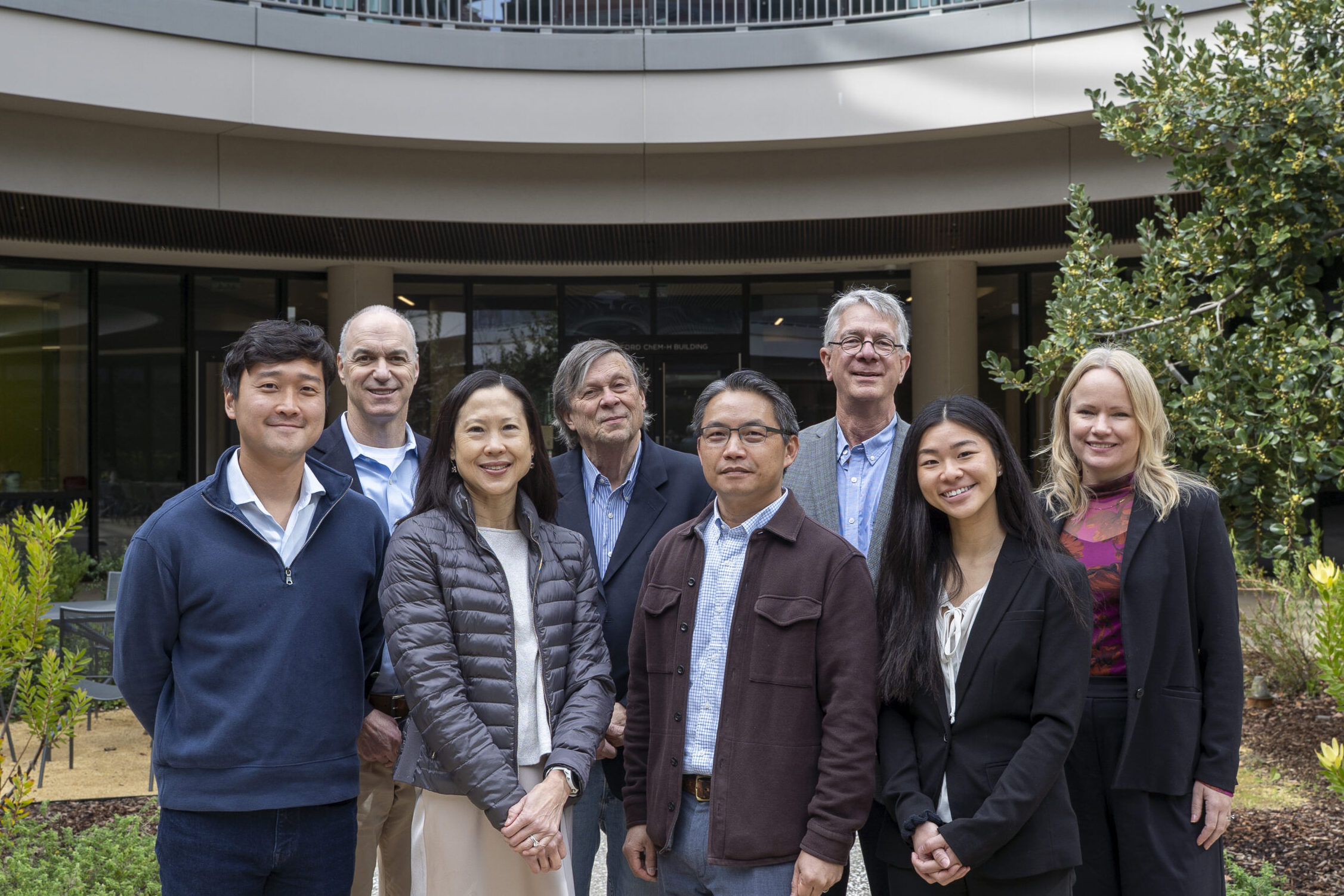
Stanford University School of Medicine SCORE Program
SCORE Director: Paul J. (PJ) Utz, M.D.
Grant: U54AR085970
Title: Specialized Center of Research Excellence on Sex Differences in Autoimmunity (SCORE-X)
Overview
Autoimmune diseases (AID) are the third-most prevalent disease category, and 80% of patients with AID are female. The overarching goal of our studies is to answer these questions: Why are the immune systems of men and women different, and why are women much more likely to develop AID? The Chang lab at Stanford made the surprising discovery that a single long noncoding RNA (lncRNA) named XIST, and its protein partners, may be the major drivers for female biased immunity. We will investigate this exciting new hypothesis to explain human autoimmunity. The integrated projects will use multiplexed and emerging methods including protein microarrays; immune organoids; CRISPR-Cas9 gene editing; and spatial genomics, proteomics and computation, all of which will be focused on human biology. The scientific projects span mechanism, innovative technologies, and translational and interdisciplinary research, and collectively are poised to provide major conceptual and technological breakthroughs for understanding and diagnosing sex-biased AID. The CEC will support SCORE-X by providing education and career development opportunities in research areas related to sex as a biological variable, ranging from high school summer research programs through early careers in the professoriate.
Project 1 – Anti-XIST Autoantibodies (AXA) in Human Autoimmune Diseases
PI: Lorinda Chung, M.D., M.S.
Co-Investigators: Jinwoo Lee, M.D., PhD; David Fiorentino, M.D., PhD; and Paul J Utz, M.D.
Project 1 will determine the diagnostic and prognostic value of novel anti-XIST RNP antibodies in autoimmune disease classification, disease progression and response to treatment. These studies will use carefully curated patient cohorts in scleroderma and well-chosen comparator controls, including detailed clinical phenotyping and subsetting. Major goals will be to differentiate three female-biased autoimmune diseases; discover the timing and prognostic impact of AXA in the longitudinal progression of one of these model diseases (systemic sclerosis, SSc) from first symptoms to advanced disease; and identify the predictive value of AXA for response to immunosuppressive therapy in SSc.
Project 2 – Mechanisms of Anti-XIST Autoantibody (AXA) Development Using Human Immune Organoids
PI: Mark M. Davis, M.D., PhD
While invaluable for many studies of basic immunology, mouse models have been poor predictors of human clinical trial success. Dr. Davis has championed human systems immunology as a general framework for analyzing human beings for immunological responses. Project 2 will investigate the mechanisms of AXA development using novel human immune organoids that recapitulates female biased autoimmunity. The role of specific CD4+ and CD8+ suppressor T lymphocytes, Toll-like receptor-7 (TLR7) pathway, and specific XIST RNP features to trigger AXA will be investigated using CRISPR-Cas9 gene editing and ex vivo reconstitution using a powerful experimental system with human primary cells.
Project 3: Multiplexed autoantigen discovery and spatial proteomics in sex-associated autoimmune diseases
PI: Emma Lundberg, M.D., PhD
XIST is expressed in every cell in a woman’s body, but the identity of XIST RNP is only known for a small number of cell types that are readily expanded in vitro and amenable to biochemical purification. Project 3 will focus on the origin and composition of the XIST RNP. Using custom arrays, spatial proteomics, computation, and genomics, Project 3 will identify new members of XIST RNP across female body tissues that will inform how XIST RNP may cause sex-biased autoimmunity in different organs. Project 3 will further develop technologies that improve the throughput and lower the cost of AXA detection, enabling more efficient dissemination and replication of data at other SCORE Centers.
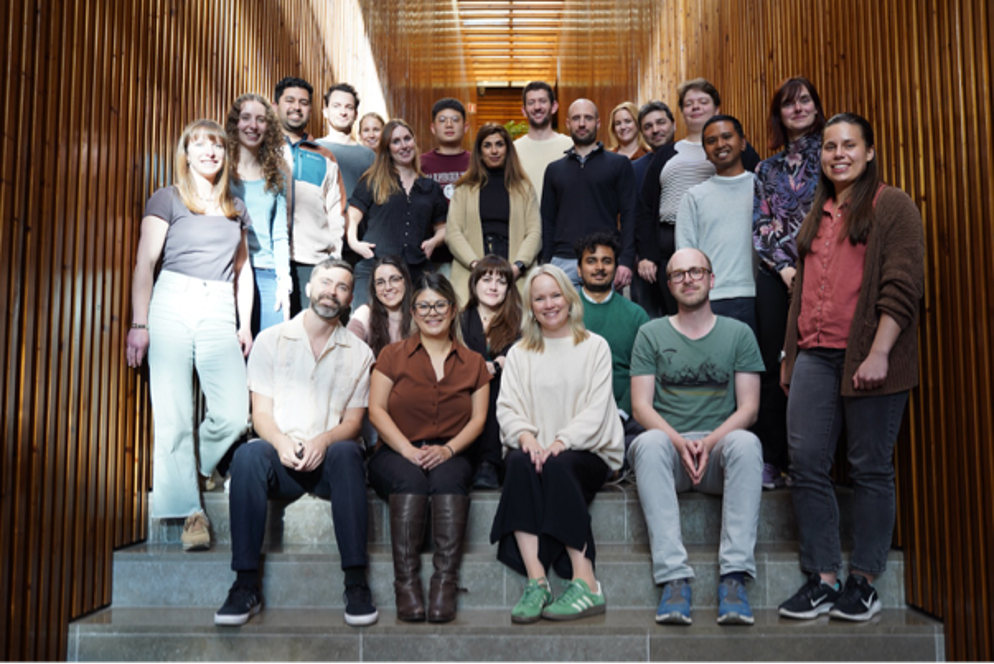
Career Enhancement Core
Director: Paul J. (PJ) Utz, M.D.
The Career Enhancement Core (CEC) will facilitate training and career development of interdisciplinary early-career researchers who are committed to advancing research to better understand AID sex-bias, leveraging existing programs starting in high school and extending all the way to the professoriate.
AIM 1 will develop and implement a SCORE-X Pilot Grant Program in sex differences in AID, offering two Pilot Grant awards annually, through a competitive process. Pilot Grants will support the most promising early-stage investigators across the translational research spectrum, prioritizing multi-faceted trainees pursuing research careers in both (i.) sex differences in AID; and (ii.) in basic, clinical, translational, and population-based science, including big data, artificial intelligence, and biomedical informatics.
AIM 2 will create an integrated educational program and evaluation plan for SCORE-X trainees and mentors.
AIM 3 will embed SCORE-X’s educational and research initiatives on sex as a biological variable into Stanford’s existing programs focused on fostering collaboration and professional growth across disciplines. CEC will use existing infrastructure to incorporate education on sex-bias research considerations, methods and best practices into other Stanford research programs, including: (i.) 3 high school and 1 summer undergraduate research programs; (ii.) Stanford’s Medical Scientist Training Program (MSTP) and MD-only medical student research programs such as the Berg Scholars program; (iii.) Stanford’s 14 research residency programs; (iv.) Burroughs Wellcome Fund’s Physician Scientist Institutional Award recipients; and (v.) other SCORE centers across the country.
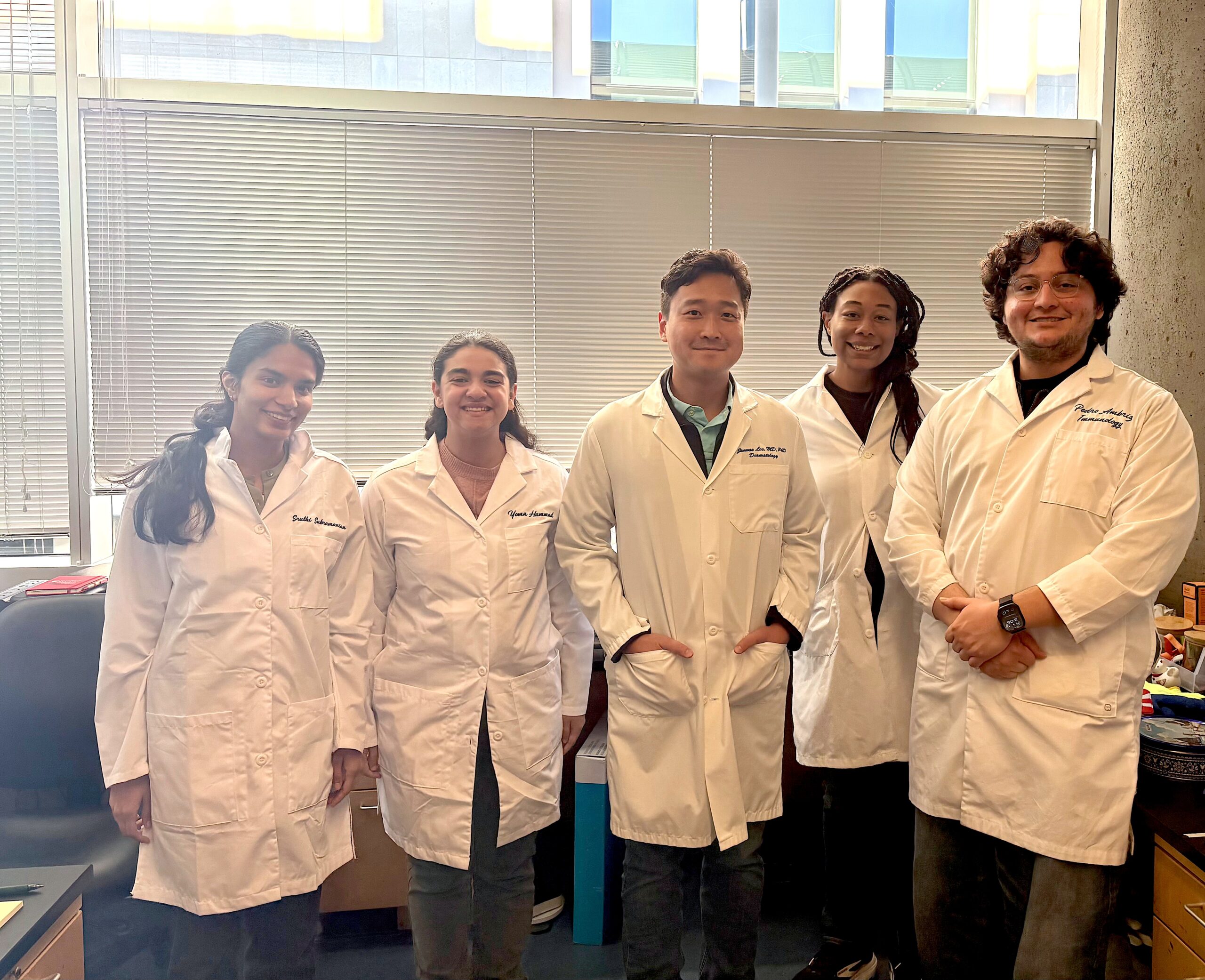
Enhancing Research Through Collaboration
 P.J. UTZ, M.D.
Professor of Medicine
(Immunology and Rheumatology)
 JINWOO LEE, M.D., PHD
Instructor (Dermatology)
 LORINDA CHUNG, M.D., M.S.
Professor of Medicine (Immunology and Rheumatology and, by courtesy, of Dermatology)
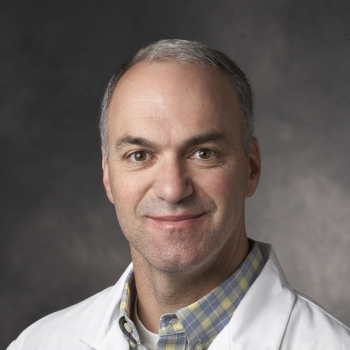 DAVID FIORENTINO, M.D., PHD
Professor of Dermatology
 HOWARD Y. CHANG, M.D., PHD
Virginia and D. K. Ludwig Professor of Cancer Research, Professor of Genetics and, by courtesy, of Pathology
 MARK M. DAVIS, M.D., PHD
Burt and Marion Avery Family Professor
Microbiology and Immunology
 EMMA LUNDBERG, M.D., PHD
Associate Professor of Bioengineering and of Pathology
 CHERYL KUO
Center Manager
Stanford University School of Medicine SCORE Program
We would love to hear from you!
Connect With Us
Phone: 650-498-4973
Email: cheryl8@stanford.edu